Essential Guide to Septic System Installation: Ensuring Efficiency and Compliance
- 6 days ago
- 3 min read

Understanding Septic System Installation
A septic system is an essential component for managing wastewater, especially in areas where public sewer systems are not available. Installing a septic system requires thorough planning and knowledge of local regulations, making it a critical aspect of property management.
Why You Need a Septic System
Septic systems treat and dispose of wastewater generated by households and businesses. They offer a sustainable and economical solution for areas that lack connection to municipal sewage treatment facilities. An effectively installed septic system not only protects the environment but also enhances the property’s value.
The Installation Process
Installing a septic system involves multiple steps, and understanding the process can help project owners prepare adequately. Here’s a detailed look at the installation process:
1. Site Evaluation
Conducting a site evaluation is the first critical step. A professional must assess factors such as:
Soil Quality: Different soil types absorb wastewater at varying rates, known as percolation.
Land Size: The plot must be large enough to accommodate a septic tank and drainage fields.
Local Regulations: Understanding local codes and regulations, which often dictate system design and location.
At ASRE, our experienced team can guide you through this evaluation to ensure all aspects are accounted for ahead of installation.
2. Designing the System
Based on the site evaluation, a septic system is designed to fit specific requirements. Most designs include:
Septic Tank: Where the solids settle, and sludge is decomposed by anaerobic bacteria.
Drainage Field: Also known as leach fields, where the wastewater is filtered and treated before reaching the groundwater.
Consulting with professionals ensures that the system will meet your needs while complying with local guidelines.
3. Permitting
Before installation begins, securing the necessary permits from local government entities is crucial. The permitting process often involves submitting design plans for approval and may require on-site inspections.
Installation Phase
Once permits are secured, the installation phase can begin. Here’s what happens:
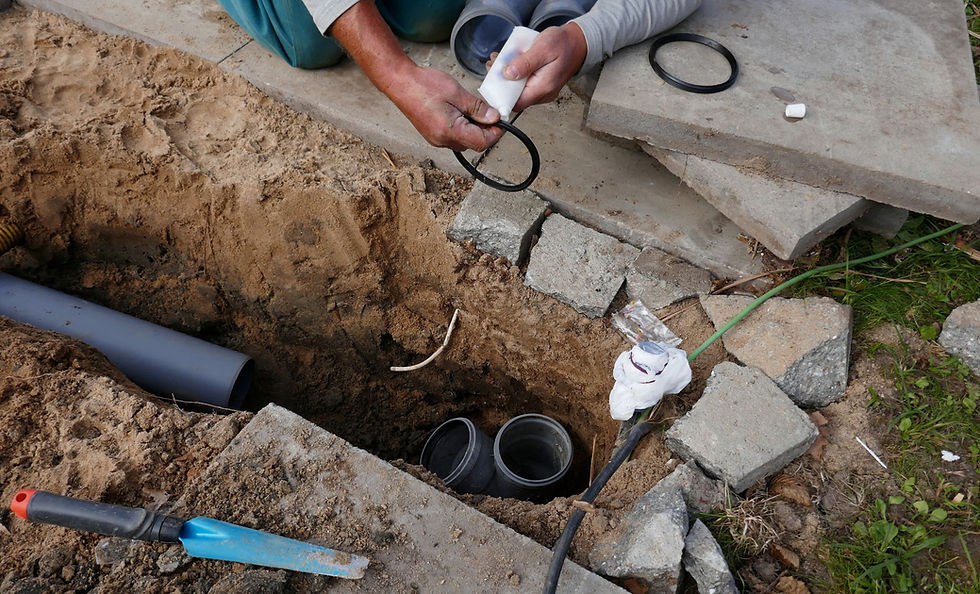
Excavation
Professional excavation services are needed to create space for the septic tank and drainage field. Choosing a reliable contractor like ASRE ensures that this phase is executed with precision, minimizing disruption and damage to your property.
Tank Installation
The septic tank is carefully set into the ground, typically below the frost line to prevent freezing. Connections for inlets and outlets are made, ensuring that the flow of wastewater is managed effectively.
Drainage Field Installation
After the tank is installed, the drainage field is established. This area is vital for the filtration of wastewater as it seeps into the soil, so it must be designed and executed rigorously.
Post-Installation Considerations
After installation, maintaining your septic system plays a significant role in its longevity and effectiveness. Here are some tips:
Regular Inspections: Schedule periodic inspections to assess the condition of your system. Early detection of issues can save you from costly repairs.
Pumping the Tank: It’s recommended that septic tanks be pumped every 3 to 5 years, depending on usage.
Mindful Usage: Limit water usage and avoid flushing non-biodegradable items to prevent clogging and system failure.
Engaging professionals, such as those at ASRE, can help ensure your system remains compliant and functional for years to come.
Septic system installation is a vital consideration for property owners, particularly in areas distant from municipal sewage systems. By understanding the requirements, engaging with specialists, and preparing adequately, you can protect your investment and ensure a sustainable wastewater management solution.
At ASRE, we pride ourselves on over 15 years of experience in creating effective hardscaping and landscaping solutions, including septic system installations. Trust us to guide you through a process that prioritizes compliance and efficiency, enhancing the functionality of your property.