


Excavation Essentials: Key Considerations for Homeowners
- Mar 24
- 2 min read
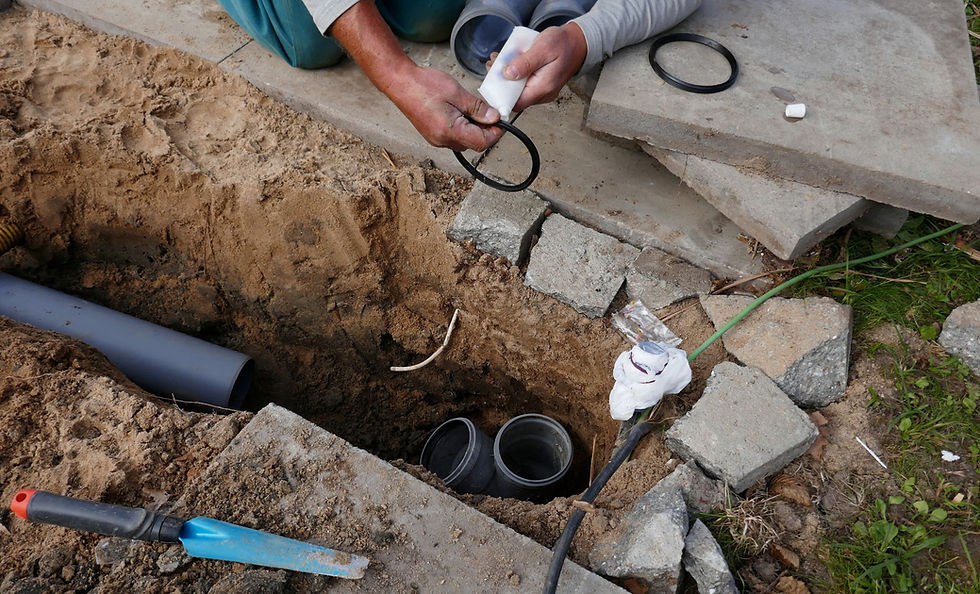
Excavation is a foundational element in any construction project, serving as the initial step in preparing a site for future work. For homeowners, understanding the excavation process is critical to ensure that their projects progress smoothly and efficiently. ASRE is dedicated to providing essential tips and insights that will aid homeowners in navigating this complex procedure.
Why is Excavation Important?
Excavation involves the removal of earth to create a space for building foundations, landscapes, or other structures. It is essential for:
Foundation Stability: Proper excavation ensures that the building sits on solid ground, minimizing settlement issues.
Water Drainage: Effective excavation helps manage drainage systems, preventing water pooling and damage to the property.
Access to Utilities: Excavation is often required for installing or repairing essential utility lines such as water, sewage, and electrical systems.
Key Considerations for Homeowners
As you prepare for excavation on your property, there are several crucial factors to consider:
1. Site Assessment
Before any digging begins, a comprehensive site assessment is imperative. This should include:
Soil Type: Understanding the type of soil can influence excavation methods and costs.
Topography: Level or sloped sites require different approaches to ensure stability and water flow.
Vegetation: Identify any trees or plants that may need to be removed or preserved during excavation.
2. Local Regulations and Permits
Excavation projects are often subject to local regulations. Homeowners should:
Check Zoning Laws: Verify zoning restrictions that may apply to your property.
Obtain Necessary Permits: Most excavation work requires permits to ensure compliance with local codes.
3. Choosing the Right Contractor
Partnering with a skilled contractor is vital. Here are key questions to ask when vetting potential contractors:
Experience: How long have they been in the excavation business, and can they provide references?
Equipment: What types of machinery do they use, and are they well-maintained?
Insurance and Licensing: Do they have proper insurance and are they licensed for excavation work?
Potential Pitfalls in Excavation Projects
While excavation is a straightforward process, several common pitfalls can create significant problems:
Underground Utilities: Failing to locate and mark existing utilities before excavation can lead to costly damages and safety hazards.
Environmental Concerns: Ignoring the local ecosystem can result in harming protected species or disrupting natural water flow.
Inadequate Drainage Planning: Neglecting proper drainage solutions can lead to water issues down the line, affecting the structural integrity of your project.
Best Practices for Successful Excavation
To ensure a successful excavation process, consider the following best practices:
Prepare for Weather: Monitor local weather forecasts and plan your excavation schedule to avoid delays from rain or snowfall.
Communicate Regularly: Stay in touch with your contractor throughout the project to address any concerns as they arise.
Document Everything: Keep detailed records of all agreements, permits, and communication for future reference.
Understanding the excavation process is critical for homeowners looking to embark on construction projects. By being well-informed and prepared, you can avoid common pitfalls and ensure a successful and efficient excavation process. ASRE is here to assist you with expert guidance and quality services that elevate your construction experience and help you achieve your goals with confidence.
For more information on excavation and related services, visit ASRE's website today.


